Sonntag, 18.01.202619:00 Uhr | K9 Kinzigstraße 9, 10247 Berlin
Anreise: U5 Samariterstraße
📣 Aufruf: https://asanb.noblogs.org/?p=15071
#b1801 #PolitischerFilmabend
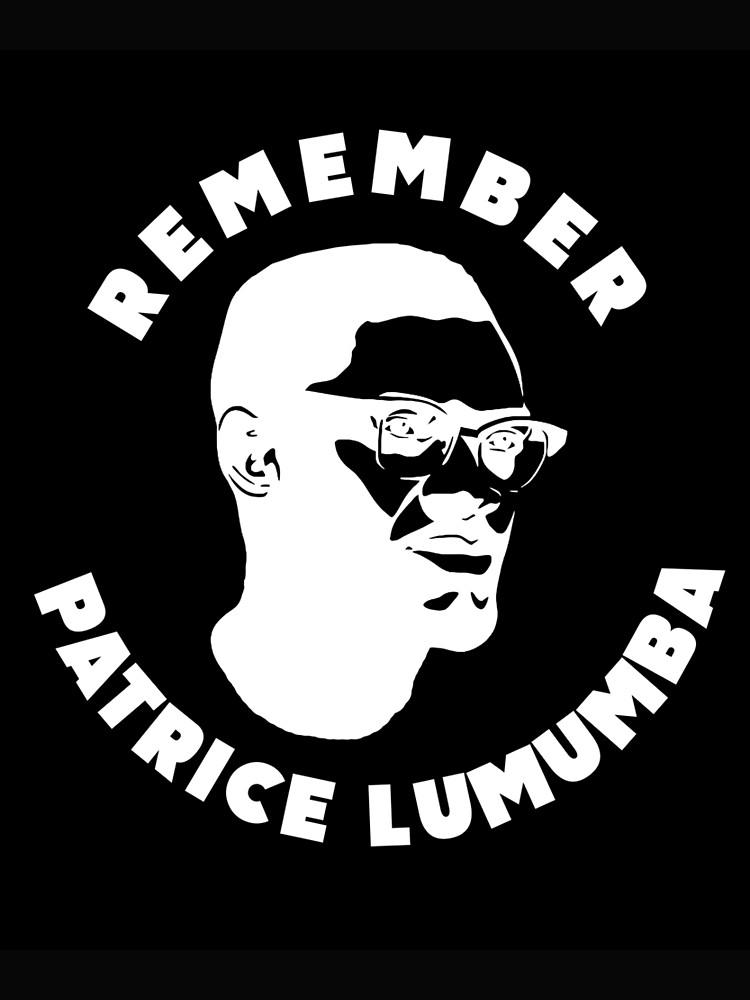
Am 17. Januar 1961 wurden Patrice Lumumba und seine zwei Gefährten Joseph Okito + Maurice Mpolo ermordet.
„Soundtrack to a Coup d’Etat“
Doku über Imperialismus: Regie: Johan Grimonprez 2024 – 157 Min. mit vielen Jazzkünstlern
Der Film besteht ausschließlich aus Archivmaterial
Ein lebendiger Filmessay, der Jazz u. Politik vereint, der zeigt, wie eng Politik und Kultur in der Ära des Kalten Krieges miteinander verknüpft waren.
Musik spielt eine zentrale Rolle: Stücke wie „Freedom Day“ von Abbey Lincoln und Max Roach oder andere Aufnahmen aus dieser Zeit – von Miles Davis über John Coltrane bis zu Miriam Makeba und Duke Ellington setzen emotionale Kontrapunkte zu den kalten Machtspielen.
Nie zuvor veröffentlichte Interviews wurden speziell für den Film beschafft. Dazu gehören auch die Reden von Patrice Lumumba, die verloren geglaubt, aber im Keller des Africa Museums in Brüssel entdeckt wurden.
1960 das Historiker*innen heute als „das Jahr Afrikas“ beschreiben. Da gelang es auf einen Schlag 18 ehemaligen Kolonien, die Unabhängigkeit zu erlangen.
Darauf bemühte sich die CIA in Zusammenarbeit mit belgischen Stellen u. speziell angeheuerten Söldnern, den charismatischen Präsidenten der neu gegründeten Republik Kongo Patrice Lumumba ermorden zu lassen, weil dieser zu einem Vorkämpfer für die gesamtafrikanische Unabhängigkeit geworden war.
Laut CIA-Agent Devlin ist es der US-Präsident Eisenhower der den Mord an Lumumba in Auftrag gegeben, der habe die Beseitigung von Lumumba und zwei seiner Gefährten, Joseph Okito und Maurice Mpolo, angewiesen.
Nikita Chruschtschow, Erster Sekretär der KPdSU, fordert vor der UNO 1960 das Ende der kolonialen Ausbeutung. „Ein Ende. Das Grab der kolonialen Sklaverei. Genug von ihr, und man begrabe sie, je tiefer, umso besser.“
1961 stürmten die Sängerin Abbey Lincoln + Schlagzeuger Max Roach den UN-Sicherheitsrat, um gegen die Ermordung des Patrice Lumumba zu demonstrieren. Weitere Demonstranten lösten ein Handgemenge im Saal aus.
Gleichzeitig schicken die USA Louis Armstrong als „,Botschafter des Jazz“ um die Welt, um vom CIA-gestützten Staatsstreich abzulenken.
Ernesto Che Guevara sprach in seiner Rede vor der UNO im Dezember 1962 von »den schmerzlichen Ereignissen im Kongo, einzigartig in der Geschichte der modernen Welt; sie zeigen, wie das Recht der Völker mit absoluter Straflosigkeit und mit dem unverschämtesten Zynismus missachtet werden kann«.
Lumumba habe tot aufgehört, Person zu sein und sei zu »ganz Afrika« geworden, meinte Jean-Paul Sartre 1963.
Das gilt heute mehr denn je.
🎬 Political film evening – Remember Patrice Lumumba 🎥
Sunday, 18.01.2026 | 7 p.m. | K9 Kinzigstraße 9, 10247 Berlin
Arrival: U5 Samariterstraße
📣 Call to action: https://asanb.noblogs.org/?p=15071
#b1801 #PoliticalFilmNight
On 17 January 1961, Patrice Lumumba and his two companions Joseph Okito and Maurice Mpolo were assassinated.
‘Soundtrack to a Coup d’Etat’
Documentary about imperialism: Director: Johan Grimonprez 2024 – 157 min. with many jazz artists
The film consists exclusively of archive material.
A lively film essay that combines jazz and politics, showing how closely politics and culture were linked during the Cold War era.
Music plays a central role: pieces such as ‘Freedom Day’ by Abbey Lincoln and Max Roach, as well as other recordings from this period – from Miles Davis and John Coltrane to Miriam Makeba and Duke Ellington – provide emotional counterpoints to the cold power games.
Never-before-released interviews were obtained especially for the film. These include speeches by Patrice Lumumba, which were thought to be lost but were discovered in the basement of the Africa Museum in Brussels.
1960 is described by historians today as ‘the year of Africa’. In one fell swoop, 18 former colonies succeeded in gaining independence.
In response, the CIA, in collaboration with Belgian authorities and specially hired mercenaries, sought to assassinate the charismatic president of the newly founded Republic of Congo, Patrice Lumumba, because he had become a champion of pan-African independence.
According to CIA agent Devlin, it was US President Eisenhower who ordered the assassination of Lumumba, instructing the elimination of Lumumba and two of his companions, Joseph Okito and Maurice Mpolo.
Nikita Khrushchev, First Secretary of the Communist Party of the Soviet Union, called for an end to colonial exploitation before the UN in 1960. ‘An end. The grave of colonial slavery. Enough of it, and let it be buried, the deeper the better.’
In 1961, singer Abbey Lincoln and drummer Max Roach stormed the UN Security Council to protest the assassination of Patrice Lumumba. Other protesters sparked a scuffle in the hall.
At the same time, the US sent Louis Armstrong around the world as an ‘ambassador of jazz’ to distract attention from the CIA-backed coup.
In his speech to the UN in December 1962, Ernesto Che Guevara spoke of „the painful events in the Congo, unique in the history of the modern world; they show how the rights of peoples can be disregarded with absolute impunity and the most brazen cynicism.“
Lumumba ceased to be a person when he died and became ‘all of Africa,’ said Jean-Paul Sartre in 1963.
This is truer today than ever before.
